Website Design
System
Built a 100+ component design system and redesigned the MinIO website, letting non-designers ship pages independently.
A Website That Outgrew Itself
The MinIO website had grown organically, resulting in a fragmented visual language and an increasingly difficult to maintain codebase. New pages often meant reinventing the wheel and potentially breaking something upstream. Content creation was bottlenecked by design, slowing every campaign, launch, and update.
I was brought into the project to help build a new site that would support rapid content development, enforce consistency, and allow non-designers to create quality pages.

Exploring a New Look
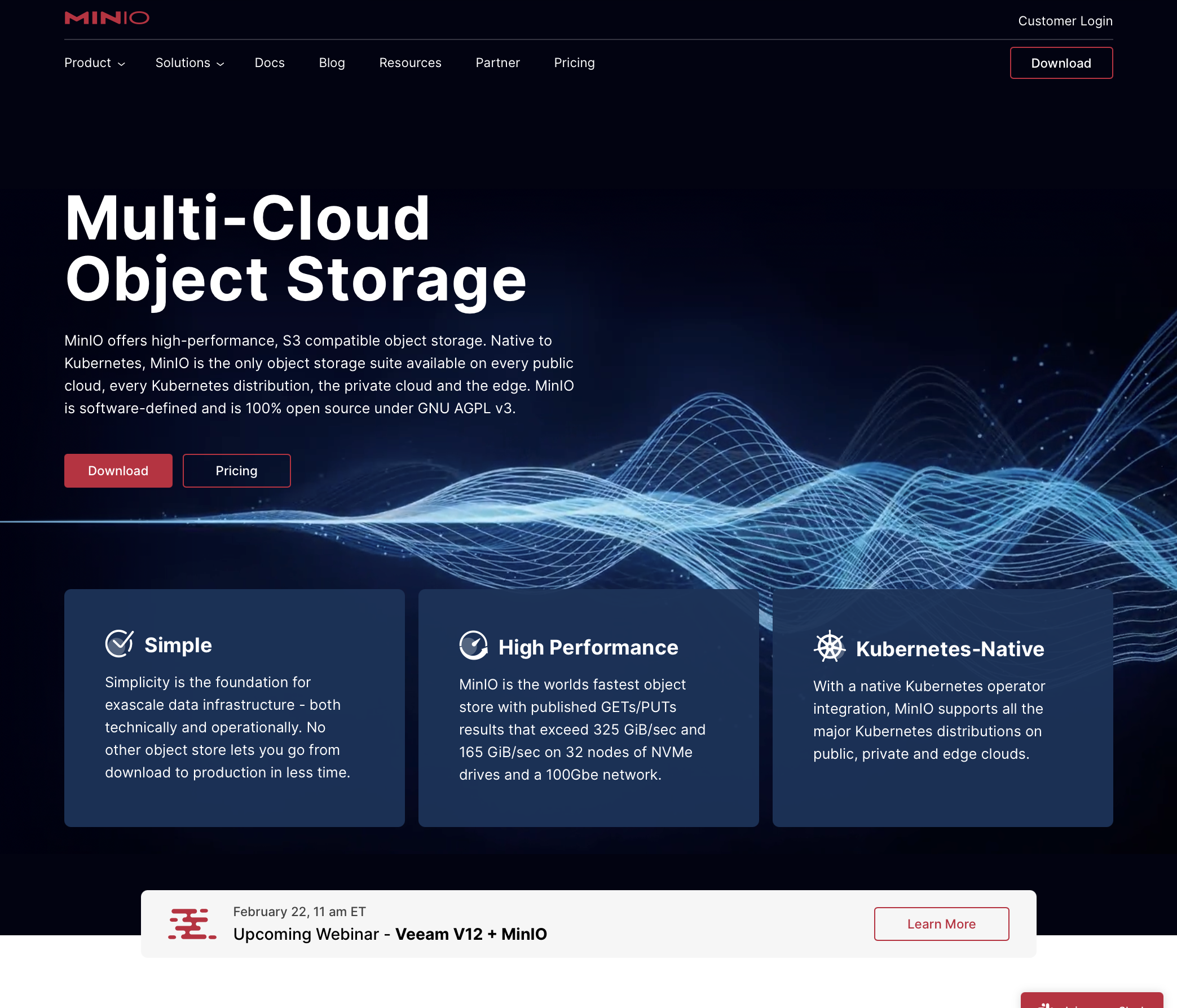
I led the redesign of the homepage as a way to establish a visual direction that leadership felt confident rallying behind and that could scale across the full site. The goal wasn’t just to refresh a single page, but to define a style that would set the tone for the broader redesign. Through exploration and iteration, we developed foundational patterns that became the building blocks for the rest of the site.
Designing a New System
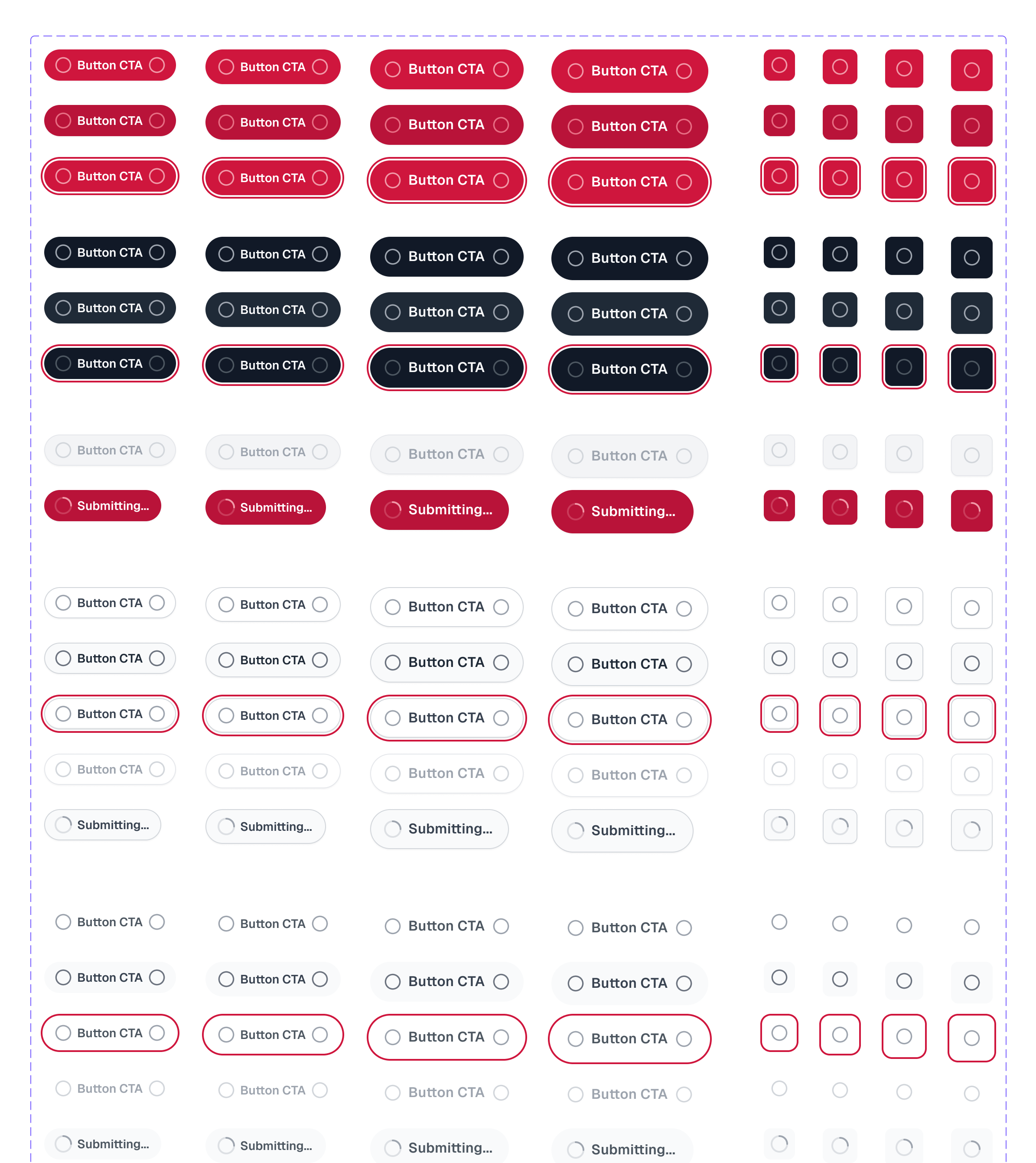
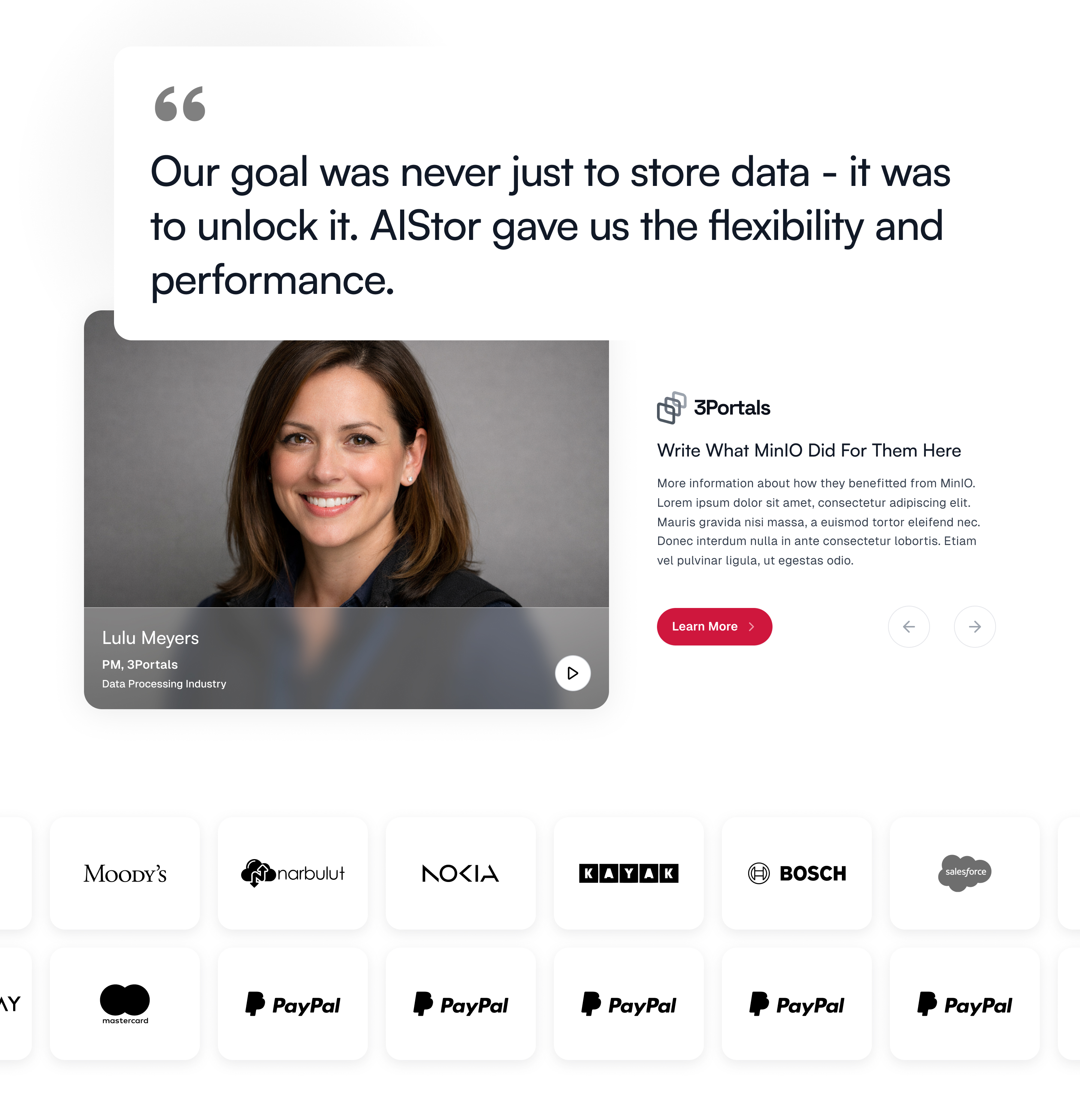
I used Untitled UI as a starting point for base and layout components, then evolved it to fit our brand and product needs. Leveraging an existing system allowed me to move quickly without reinventing foundational pieces. It also made it easy to experiment with styles and see how visual changes rippled across elements, helping us make more confident decisions about the overall look and feel.
Building The New Site
I led hands-on workshops with our content team to walk through the new system and show them how to confidently build within it. Once everyone was aligned, production of new content pages ramped up quickly, and the team was able to move with far more independence than before. The system held up well and proved flexible enough to support rapid growth.